
Whoa!
I opened Phantom for the first time and it felt like a handshake. The UI is simple, and transitions are quick without the fluff. Initially I thought wallet extensions would be clunky, slow, and confusing, but Phantom proved me wrong by balancing security, convenience, and a surprisingly thoughtful UX that made onboarding a lot less painful than it should be for newcomers to crypto. I’m biased, but that first impression really matters to me.
Here’s the thing.
Phantom is more than a key manager — it’s a gateway to NFTs, DeFi, and on-chain games on Solana. The wallet supports collectibles natively, showing images and metadata in-line which matters when you want to manage a collection fast. My instinct said this would be shallow, because many extensions just plaster images without context. Actually, wait—let me rephrase that: Phantom gives enough metadata to act without constant chain lookups, while letting power users dig deeper when needed.
Hmm…
Security is the headline concern for browser extensions and for good reason. Phantom handles keys locally, integrates hardware support, and prompts approvals in clear, readable steps instead of confusing gas-speak. On one hand these prompts are hassle; on the other hand they prevent dumb mistakes. So, yes, it’s not perfect, but it errs on the safe side.
I’ll be honest—there are quirks.
Some dapps behave oddly when they expect MetaMask, and Solana’s ecosystem still has edge cases where transactions fail for reasons that are opaque to users. That part bugs me a lot when a mint page freezes. Sometimes the extension needs a restart or a network toggle to resolve stuck states, which is annoying during a live mint. But updates come fairly quickly and the team listens to feedback.
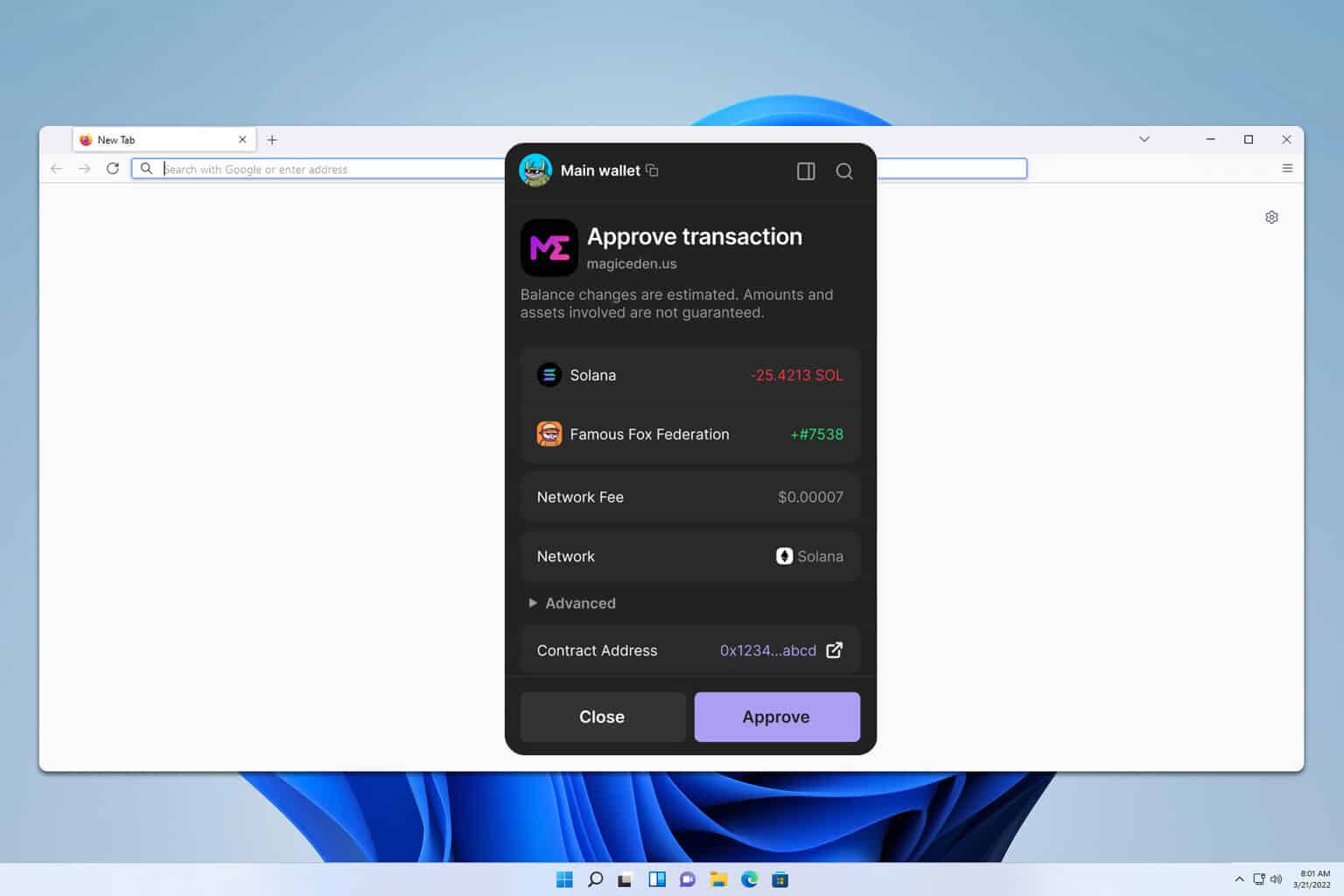
Getting started and a quick link
Okay, so check this out—
If you want to try Phantom as a browser extension, there’s an easy landing page to get the official install. I prefer installing from trusted sources, so I always share the official link rather than some random mirror or sketchy repo. For convenience, here’s the recommended spot for the phantom wallet download extension when you decide to set it up. Do yourself a favor and double-check the URL.
Whoa!
Managing NFTs is where Phantom really shines for me. Thumbnails load, metadata is legible, and transfers are straightforward which saves time when cataloging or moving assets. I used Phantom during a chaotic mint drop and the clarity of the confirmation dialogue literally prevented me from paying a typo fee on a destination address. Somethin’ about that tactile confirmation made me less likely to fat-finger details. It also integrates with portfolio trackers so you can see performance across your tokens.
Seriously?
Yes, it also has a built-in Swap feature and simple staking UI, which is handy for folks who don’t want a separate app for basic operations. I used the swap for low-fee trades, and it routed through liquidity providers cleanly enough that slippage was minimal. On the flip side, power traders will want more order types or deeper routing options. But for the average user it’s convenient and reduces friction.
Hmm…
Initially I thought Phantom was just hype. Then I dug into the settings, enabled hardware wallet support, and tested a Ledger over USB, which worked surprisingly smoothly. Actually, wait—let me rephrase that: the integration works, but the UX around USB permissions can be finicky across different browsers. On one hand the hardware support is a real security win; on the other hand it exposes the usual browser permission headaches that frustrate even veteran users. My instinct said the trade-off was worth it.
Something felt off about one dapp recently.
Transactions failed with opaque errors and the dev tools hinted at a recent RPC change. I messaged the devs and saw a fast patch, which is a reminder that your choice of RPC provider matters nearly as much as your wallet choice when dealing with Solana. (oh, and by the way…) choose an RPC that mirrors your expected load or you’ll be very very sad during drops. So backups matter; export your seed, store it offline, and test recovery.
I’ll be blunt.
Phantom isn’t perfect, but it hits the sweet spot for most Solana users who want a secure, approachable browser wallet. If you prioritize clarity, NFT support, and ongoing product improvements, it’s an excellent first stop before exploring more specialized tools or hardware-only workflows. I’m biased toward user-friendly interfaces, and that preference shows here. Try it, but stay cautious, update often, back up your seed, and don’t paste your phrase anywhere sketchy.
FAQ
Is Phantom safe to use as a browser extension?
Yes — Phantom stores keys locally, offers hardware wallet support, and uses clear transaction prompts, which reduce user error; however, no browser extension is immune to browser-based risks, so use good browser hygiene, keep extensions updated, and prefer hardware-backed keys for high-value accounts.
Can I manage NFTs and tokens with Phantom?
Absolutely. Phantom shows NFT thumbnails and metadata, lets you send and receive tokens, integrates staking and swaps for convenience, and works with many Solana dapps; still, for large collections you may combine it with portfolio tools or cold storage depending on your needs.

Leave a Reply
Want to join the discussion?Feel free to contribute!