
Wow!
I installed a Solana wallet extension last week and my first impression was messy.
There was that quick rush of excitement, followed by a small panic when the extension asked for permissions.
My instinct said “hold up”, but I clicked through—carefully—and then realized how many tiny UX signals actually matter.
On one hand it’s slick; on the other hand I’m still poking at little edges that make me nervous.
Seriously?
Phantom and similar extensions feel like Apple-level polish, but they’re not magic.
They sit between your browser and the blockchain, which means they’re convenient and risky at the same time.
Initially I thought browser wallets were simple: install, fund, go.
Actually, wait—let me rephrase that: install, fund, go is possible, but only if you accept a specific threat model and the consequences that come with it.
Hmm…
Here’s what bugs me about wallet UX in general.
The things that sound small—ambiguous permission prompts, auto-connect requests, and cryptic transaction memos—are often the first cracks attackers exploit.
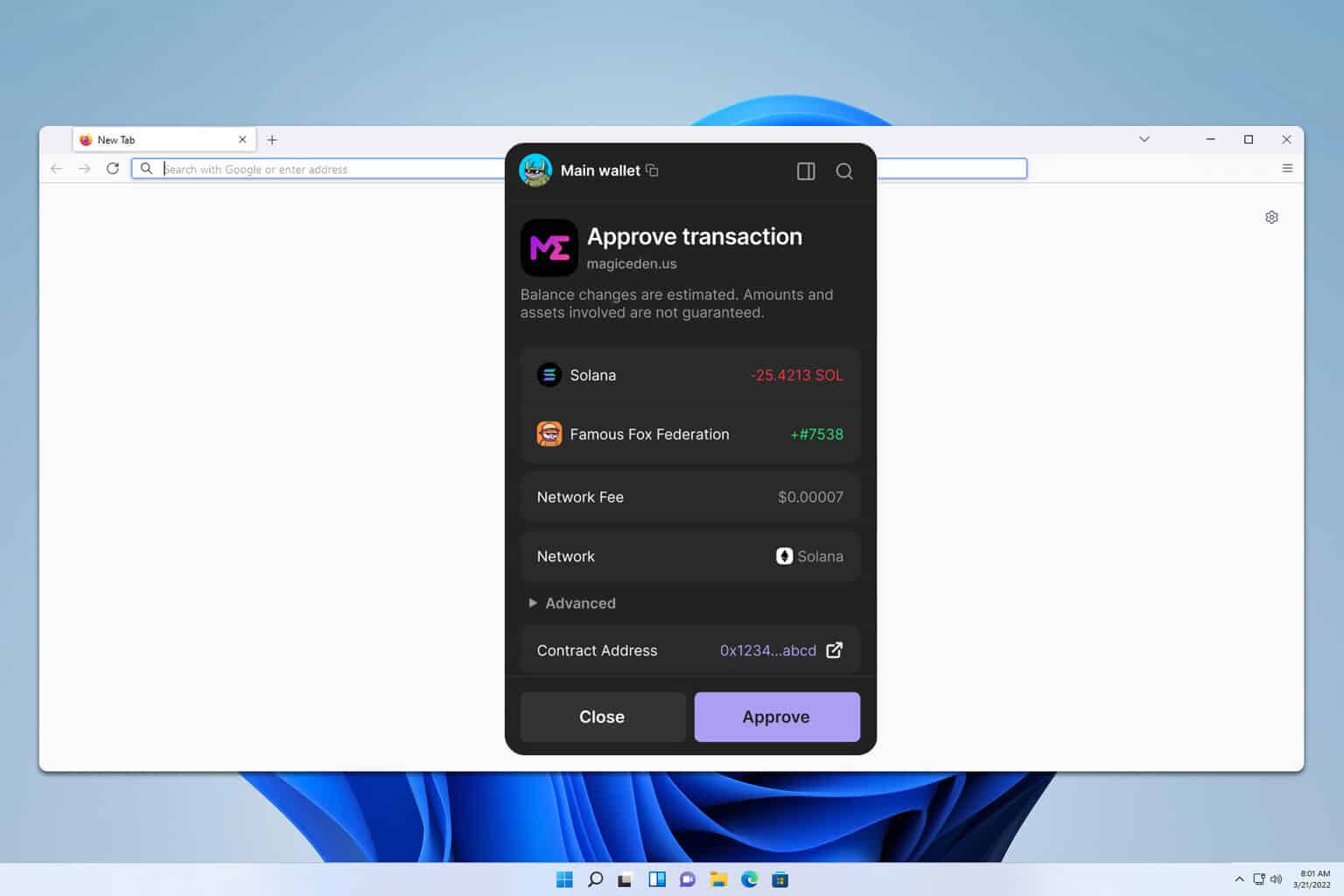
I found a transaction approval modal that showed only raw data and not the human-readable intent, and somethin’ about that felt off.
My gut said don’t approve, though actually the dApp was legit; still, that uncertainty is a design failure.
Whoa!
Security is both mental and technical, which means you have to train your instincts and your tools.
Start with the basics: use a unique password for your OS account, enable full-disk encryption on your laptop, and avoid browser profiles that mix personal browsing with crypto work.
You should treat your extension like a high-value key that lives on your device and not like a casual app.
Those small habits matter more than you think when someone—somewhere—tries to social-engineer access to your seed phrase.
Okay, so check this out—
Browser extensions have attack surfaces I keep an eye on: malicious extensions, compromised browser updates, and phishing sites that mimic wallet UI.
On deeper thought, I realized the ecosystem’s chain of trust is fragile because the browser is a single point of failure.
If a bad extension slips into your profile, it can trick you into signing things.
So I run a dedicated browser profile for crypto stuff and keep it lean—minimal extensions, minimal tabs, less attack surface.
I’ll be honest…
Phantom’s UX for confirming transactions is generally pretty clear, though it can still hide details behind compact labels.
If I’m approving a swap, I look at the exact token addresses and the slippage parameters before accepting; no exceptions.
On one hand that sounds obsessive; on the other hand, it’s saved me from accepting a 1000x slippage once—true story.
That moment made me appreciate readable confirmations that tell a complete story rather than just numbers.
Really?
You can connect Phantom with a hardware wallet like Ledger, which I recommend if you handle meaningful funds.
Ledger integration places the final signing on the device itself, so even if your extension is compromised, attackers can’t sign transactions without physical access.
Initially I thought hardware wallets were overkill for everyday NFT browsing, but then I lost sleep after a near-miss phishing attempt.
Now most of my high-value tokens sit behind a hardware key and that’s peace of mind you pay for once and appreciate forever.
Wow!
Managing multiple accounts in a browser extension is handy, though it can get confusing fast.
I create clear names for each account (savings, trading, testnet) and I add tiny notes in a password manager so I don’t mix them up.
On the balance of convenience versus safety, segregating funds across accounts is a small effort that reduces blast radius.
Also, the interface for switching accounts should be obvious—if it’s not obvious, that’s a design problem and you should reorganize immediately.
Hmm…
Connecting to a dApp still requires judgment.
If a site asks to “connect” and immediately requests signing hundreds of messages or transferring tokens, that is suspicious and you should back out.
My working rule: never sign a message you don’t fully understand, and never approve an allowance that is larger than necessary.
I change allowances and revoke them occasionally; it feels tedious but it’s an effective cleanup habit.
Whoa!
Check this out—somehow, the little green icon on an extension can hide a lot of context.
Phantom’s permissions dialog is decent, but phishing clones sometimes show near-identical modals, which is why URL checks and certificate cues still matter.
If a site asks for permission, read the domain carefully and verify it against known sources; when in doubt, open the dApp in a new, clean browser profile to confirm.
That extra step has stopped me from trusting a fake storefront more than once.
Okay—quick tip:
Backup is not glamorous but it is essential.
Write your recovery phrase on paper, store it in a secure place, and consider a secondary offline backup (safely stored).
Don’t screenshot or upload your phrase to cloud storage, and don’t share it with anyone claiming to offer support.
I’ve seen folks lose everything because they thought a support person was legit—don’t be that person.
Here’s what bugs me about marketplaces.
NFT listings sometimes mislabel royalties or provenance, and browser extensions have to present that data in a way that users can parse quickly; often they don’t.
That means you should double-check the smart contract address of an NFT collection and cross-reference with other sources before bidding.
I’m biased, but due diligence for digital collectibles looks a lot like the old collector habits—verify, verify, verify.
Where to get the extension and a quick install note
I’ll be blunt: only install from trusted sources and verify the extension’s publisher.
If you want a straightforward browser extension, consider the official channels and read the store reviews carefully; if you want to try Phantom, here is a source to start with: phantom wallet download extension.
When installing, check the extension’s version history and permissions; if something asks for blanket “read and change all your data”, step away and investigate.
And hey, don’t be shy about testing with tiny amounts first—it’s the fastest way to learn without grief.
FAQ
Is a browser wallet safe enough for everyday use?
Short answer: yes for small amounts and casual use, but not for large holdings.
If you hold significant value, pair the extension with a hardware wallet and a disciplined operational routine; that will reduce most common risks.
On the flip side, a browser wallet is excellent for convenience, speed, and interacting with DeFi and NFT apps—just balance convenience with appropriate controls.
What should I do if I suspect a phishing site?
Disconnect immediately, revoke wallet permissions from a secure session, and move any at-risk funds to a fresh account secured by a hardware device.
Report the phishing site to the browser store and relevant community channels so others don’t fall for it.
I’m not 100% sure this covers every edge case, but it’s the practical starting point I’ve used—and it works more often than not.

Leave a Reply
Want to join the discussion?Feel free to contribute!